Detecting Malingering Following Mild Traumatic Brain Injury: Diagnostic Complexities and Treatment Considerations
May 19, 2026
11:30 AM CDT - 1:00 PM CDT
Add to Calendar
Braeburn Country Club
8101 Bissonnet St.
Houston, TX 77074
Directions
Please register to attend! *CE eligible - Texas Adjuster, Agent, RN, and CCM
Registration closes on 5/12/2026 at 12:00p.m.
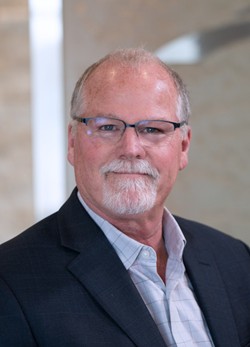
Gary S. Seale, Ph.D., is the Regional Director of Clinical Services for the Centre for Neuro Skills. He received his doctoral degree in Rehabilitation Science from the University of Texas Medical Branch (UTMB) in Galveston, Texas.
He is licensed in Texas as a Psychological Associate with Independent Practice, and he holds a clinical appointment at UTMB in the School of Health Professions – Department of Rehabilitation Science. He is also a Certified Brain Injury Specialist Trainer (CBIST).
He has worked exclusively in post-acute brain injury rehabilitation for over 36 years and has conducted research and published 15 peer-reviewed articles and 4 book chapters on topics including rehabilitation outcomes, the relationship between positive emotion and recovery of functional status following stroke, and emergency preparedness for disabled populations. Dr. Seale is a past recipient of the Oral Presentation Award from the North American Brain Injury Society, and Staff Appreciation Award from the Brain Injury Association of America.
COURSE DESCRIPTION
This course is appropriate for professionals that manage and/or review brain injury claims and authorize treatment, and for professionals involved in patient treatment.
Approximately 2.5 million Americans sustain a traumatic brain injury (TBI) each year. The majority of TBI’s (i.e., 80%) are mild in nature, meaning the person may not lose consciousness, or may lose consciousness for a brief period of time. Mild brain injuries are not easily detectable using standard imaging, and many people appear “OK” after sustaining a mild TBI. This may lead some people to assume that the person with mild TBI is exaggerating or overreporting symptoms, or is malingering.
This course will provide information about mild traumatic brain injury (mTBI) including common causes of injury, frequently reported symptoms, and the usual course of recovery for 85-90% of cases. Information will also be provided regarding persistent post concussive symptoms (PPCS) and risk factors for PPCS, including secondary gain. Malingering will be defined as well as methods to detect malingering following mTBI. However, malingering is relatively rare following mTBI, and symptom presentation and apparent symptom exaggeration may be explained by alterative influences. This information will assist participants in understanding alternative explanations and where additional information and testing may be indicated. Evidenced-based interventions for the successful treatment of mTBI will also be presented.
Tickets
$0.00 Chapter Member
$50.00 Guest
$0.00 Student